
The Benefits of Using Handmade Artisan Soaps for Your Skin Health

Starting to use handmade artisan soaps can transform your daily skincare routine in ways you might not expect. Unlike mass-produced soaps, these carefully crafted products offer unique advantages that support healthier, more nourished skin. If you have been searching for a natural, gentle, and effective alternative to conventional soaps, this post will explain why switching to handmade artisan soaps is a smart choice for your skin health.
What Makes Handmade Artisan Soaps Different
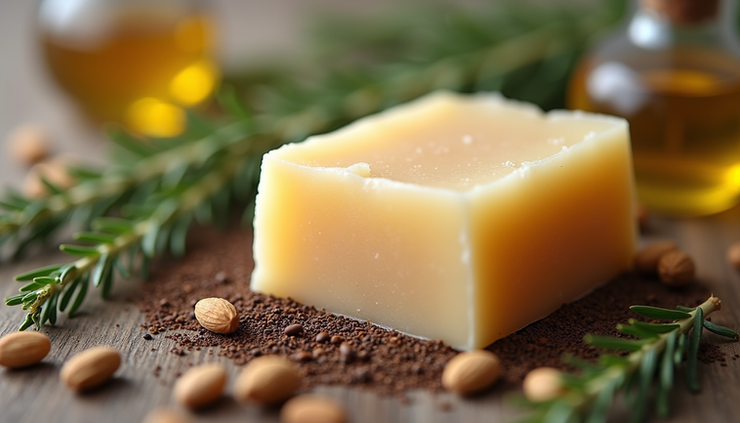
Handmade artisan soaps are created in small batches using traditional methods. They often include natural oils, butters, and plant-based ingredients without harsh chemicals or synthetic additives. This careful crafting process preserves the beneficial properties of the ingredients, which can be lost in mass production.
Key differences include:
Natural ingredients such as olive oil, coconut oil, shea butter, and essential oils.
No synthetic detergents or preservatives, which can irritate sensitive skin.
Glycerin retention, a natural moisturizer often removed from commercial soaps.
Unique formulations tailored for different skin types and concerns.
These factors contribute to a soap that cleanses without stripping your skin’s natural oils, helping maintain moisture and balance.
How Handmade Soaps Support Skin Health
Gentle Cleansing Without Dryness
Many commercial soaps contain harsh surfactants that remove oils aggressively, leaving skin dry and tight. Handmade artisan soaps use mild cleansing agents derived from natural oils. This means they clean effectively but keep your skin hydrated.
For example, soaps made with olive oil provide a creamy lather that soothes dry or sensitive skin. Coconut oil adds cleansing power while shea butter nourishes and softens. The result is a soap that cleans without causing irritation or dryness.
Rich in Natural Moisturizers
Glycerin is a natural byproduct of soap making that attracts moisture to the skin. Mass-produced soaps often remove glycerin to use in other products, but handmade soaps keep it intact. This helps your skin stay hydrated and smooth after washing.
Using handmade soap regularly can improve skin texture and reduce roughness, especially in dry climates or during winter months.
Free from Harmful Chemicals
Many commercial soaps include synthetic fragrances, dyes, and preservatives that can cause allergic reactions or disrupt the skin’s natural barrier. Handmade artisan soaps avoid these additives, relying on essential oils and natural colorants instead.
This makes them a safer option for people with sensitive skin, eczema, or allergies. For instance, lavender or chamomile essential oils provide gentle fragrance and calming effects without irritation.
Customizable for Specific Skin Needs
Artisan soap makers often create formulas targeting particular skin concerns such as acne, dryness, or aging. Ingredients like activated charcoal, oatmeal, or honey can be added to provide exfoliation, antibacterial properties, or extra nourishment.
Choosing a soap tailored to your skin type can enhance your skincare routine and address issues more effectively than generic products.
Environmental and Ethical Benefits
Switching to handmade artisan soaps also supports environmental sustainability and ethical practices:
Biodegradable ingredients reduce pollution in waterways.
Minimal packaging often uses recyclable or compostable materials.
Small-scale production lowers carbon footprint compared to mass manufacturing.
Support for local artisans encourages fair trade and community growth.
By choosing these soaps, you contribute to a healthier planet while caring for your skin.
Practical Tips for Choosing and Using Handmade Soaps
Check ingredient lists for natural oils and avoid synthetic additives.
Select soaps suited to your skin type: moisturizing for dry skin, gentle for sensitive skin, or exfoliating for oily skin.
Store soaps in a dry place to extend their lifespan.
Use lukewarm water when washing to avoid stripping natural oils.
Rotate different soaps to benefit from various ingredients.
Real-Life Examples of Benefits
Many users report noticeable improvements after switching to handmade artisan soaps:
A person with eczema found relief from itching and dryness by using a shea butter-based soap without fragrances.
Someone with oily skin reduced breakouts by using a charcoal soap that gently cleansed without over-drying.
A user with aging skin noticed softer, more radiant skin after regularly using a honey and oatmeal soap.
These examples show how natural ingredients and gentle formulas can make a real difference.
Comments